
All projects
Repair HUB
Interior Design
The project grew out of observation and research of the Kerem HaTeimanim neighborhood in Tel Aviv. There is a strong contrast between the crowded homes with little private space, and the very social lifestyle of the area. In the Kerem, the living room spills out into the street. The alleys feel like a part of the house, and it is hard to tell what is private and what is public. Over the years, people added things to their homes based on what they needed. This created an "architecture without architects" that tells the story of the neighborhood.
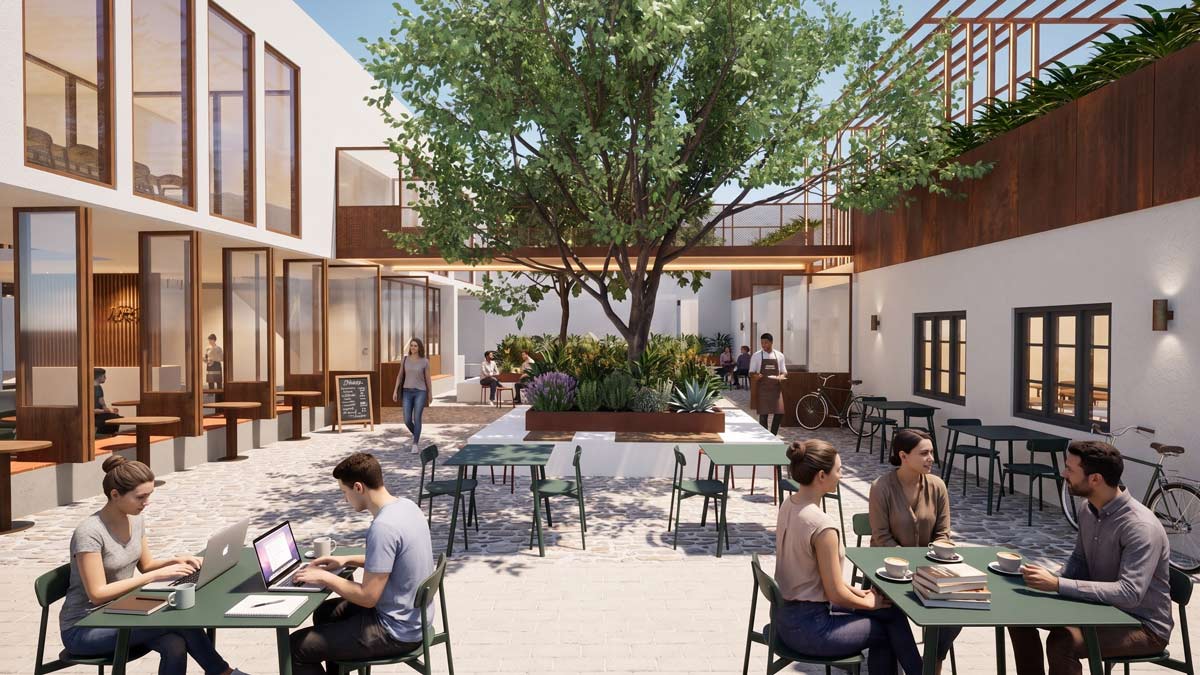
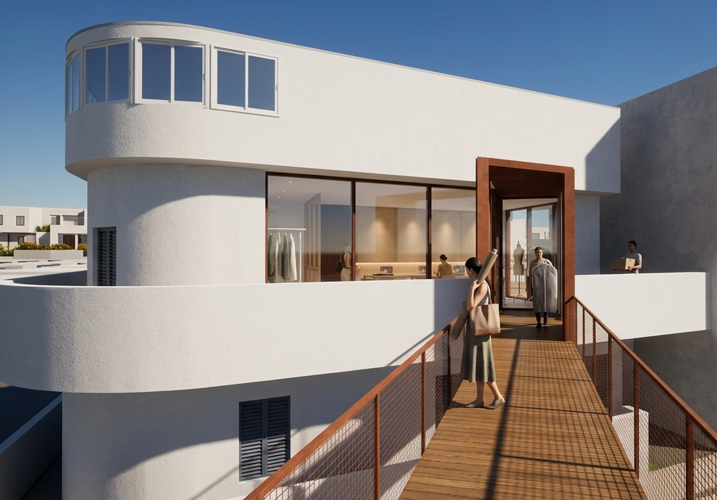
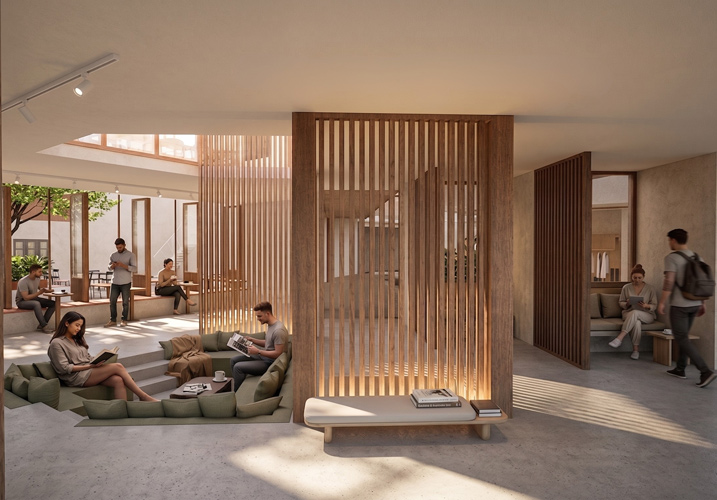
Instead of erasing what is already there, I made an architectural intervention in the Maganda building. I integrated bridges, roofs, and paths directly into the structure itself. This connects the building to its surroundings and creates new spaces for people to walk and meet. Because there is a lack of private space, I created an "urban living room." This is a shared space that gives people more room to live and hang out together outside their homes.
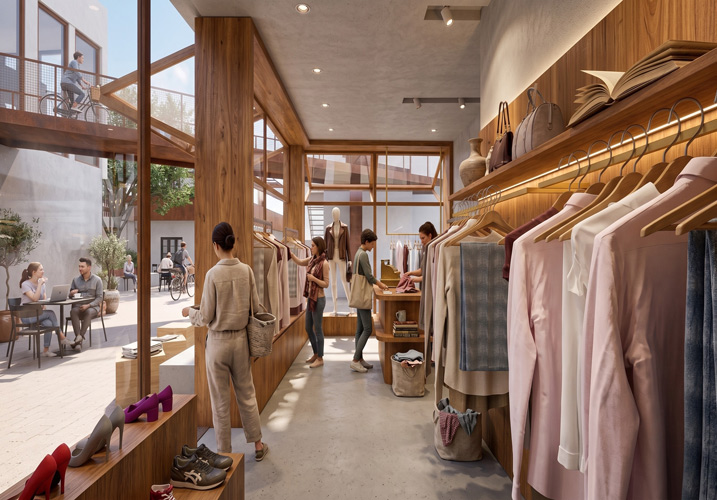
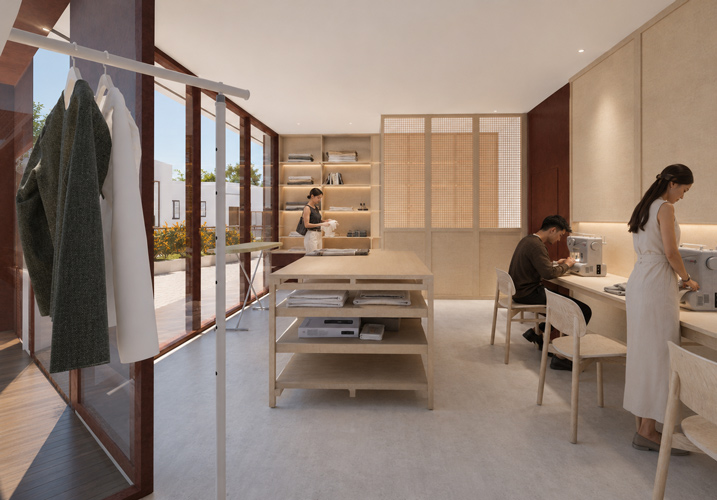
Into this space, I introduced another local tradition: sharing, giving, and fixing old things. This is why I designed the Repair Hub—a place where fixing things becomes a community activity. On the ground floor, a cafe and a shared living room open into the alleys. From there, the paths lead to a sewing room, a carpentry shop, a materials lab, and workspaces.
The building acts like a heart, connecting the homes, the street, and the community. Through this intervention, I wanted to keep the special human feeling of the Kerem, while giving it a new modern infrastructure. It is a place where old and new, private and public, working and meeting all exist together side by side.

- Final Project
- Ariel Shmuel
- architect Cramsky Ehud